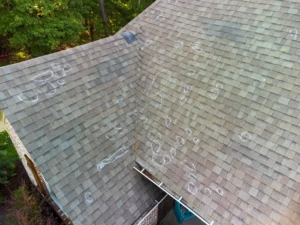
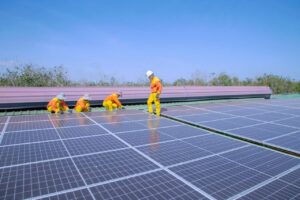
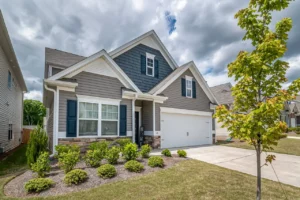
If you’ve received a quote for a roof, siding, gutters, or any exterior work recently and thought the number seemed high, you’re not imagining things. Exterior construction costs in 2026 are meaningfully higher than they were even two years ago, and tariffs on imported materials are one of the primary drivers.
This isn’t a temporary spike. The 25% tariff on imported steel and aluminum has been in place through multiple administrations, and its effects have compounded through the supply chain. Add in manufacturer price increases, a persistent skilled labor shortage, and rising transportation costs, and the result is an exterior construction market where prices are elevated and unlikely to retreat.
This guide explains what’s actually happening, which materials are affected most, and what homeowners and building owners across Pennsylvania, New Jersey, and Delaware can do to plan intelligently around it.
What the Tariffs Actually Are
The federal government currently imposes a 25% tariff on imported steel and aluminum. These tariffs were originally introduced in 2018 under Section 232 of the Trade Expansion Act, expanded in 2025 to close exemptions and remove country-specific exclusions, and remain in full effect in 2026.
What this means in practice: every pound of imported steel and aluminum that enters the U.S. costs 25% more than it would without the tariff. That additional cost is paid by the importer, passed to manufacturers, passed to distributors, passed to contractors, and ultimately included in the price of your project.
Steel and aluminum aren’t exotic specialty materials in the construction industry. They’re everywhere in roofing panels, flashing, drip edge, gutters, downspouts, vents, fasteners, siding trim, soffit, fascia, and structural components. Even a standard asphalt shingle roof replacement involves dozens of metal components that are affected by these tariffs.
Which Exterior Materials Are Hit Hardest
Not all materials are affected equally. The impact depends on how much steel or aluminum is in the product, whether it’s manufactured domestically or imported, and how much of the cost is material versus labor.
Metal Roofing
Metal roofing panels, standing seam, metal shingles, and corrugated, have seen the steepest price increases. Industry sources report increases of 15-25% on metal roofing products since the tariff expansion, with some manufacturers reporting even higher adjustments on specialty products. The material is almost entirely steel or aluminum, so the tariff hits it directly and substantially.
For building owners or homeowners considering metal roofing, the math has changed. Metal’s long-term value proposition (40-60 year lifespan, energy efficiency, minimal maintenance) remains strong, but the upfront cost gap between metal and asphalt has widened.
Gutters and Downspouts
Seamless aluminum gutters are formed from aluminum coil on-site, making them directly exposed to aluminum pricing. The per-linear-foot cost of gutter material has increased noticeably, particularly for 6-inch systems and oversized downspouts.
Aluminum trim, gutter hangers, and hardware have also seen increases. Manufacturers like Flannery (aluminum trim) announced 10% price hikes for 2026 specifically citing sustained aluminum cost pressure.
Flashing, Drip Edge, and Metal Accessories
Every roofing project, including asphalt shingle replacements, includes metal accessories: drip edge along eaves and rakes, step flashing where roofs meet walls, valley metal, pipe boots, and roof vents. These components are typically aluminum or galvanized steel, and every one of them costs more than it did pre-tariff.
The per-component cost increase is modest in isolation (a few dollars per piece), but it adds up across a full roof. A typical residential roof includes hundreds of linear feet of drip edge and flashing plus multiple vents and boots. On commercial buildings, the metal accessory cost can be substantial.
Asphalt Shingles
Asphalt shingles aren’t directly tariffed as steel or aluminum products, but they’re affected by adjacent cost pressures. Asphalt is a petroleum-based product sensitive to oil price fluctuations. Major manufacturers, GAF, Owens Corning, CertainTeed, and IKO, have implemented 6-10% price increases over the past year on shingles, underlayment, and accessory products, citing rising production costs, transportation expenses, and raw material inputs.
The tariff impact on shingles is indirect but real: the metal components included in every shingle installation are more expensive, manufacturer supply chains include tariff-affected inputs, and the overall inflationary environment in construction pushes pricing across all categories.
Siding and Trim
Aluminum siding, steel siding, and metal trim products face direct tariff exposure. Vinyl siding is less affected by metal tariffs specifically, but manufacturers including Cornerstone Building Brands (Ply Gem) and Associated Materials have implemented 4-12% price increases for 2026 across siding product lines, citing broader material and production cost pressures.
Fiber cement siding (James Hardie) is less sensitive to metal tariffs than aluminum or steel siding, but it includes metal-based accessories and trim that are affected. Nichiha (architectural wall panels) announced price increases on panels and hardware effective January 2026.
The Labor Side of the Equation
Tariffs are only part of the story. Labor costs are the other major driver, and in many cases, the larger one.
The construction industry faces a skilled labor gap approaching 500,000 workers nationally. Qualified roofers, siding installers, and gutter specialists are in high demand, and wages have risen accordingly. Labor typically represents 50-60% of a residential roofing project cost and 40-50% of a commercial project cost. Even modest wage increases have a measurable impact on project pricing.
This isn’t a temporary disruption. Fewer workers are entering the skilled trades, the existing workforce is aging, and demand for construction labor remains strong. The Bureau of Labor Statistics projects continued growth in construction employment through the end of the decade, which means wage pressure is structural not cyclical.
The net effect: even if tariffs were removed tomorrow, exterior project costs would remain elevated because of the labor market.
What This Means for Homeowners
If you’re a homeowner planning a roof replacement, siding project, or gutter installation in PA, NJ or DE, here’s the practical picture:
Current pricing is the floor, not the ceiling. Exterior construction costs have not decreased in any sustained way since 2020. Each year has brought incremental increases, and 2026 continues that trend. Waiting for prices to drop is not a viable budget strategy.
Material choice matters more than it used to. The cost difference between material options has shifted. Asphalt shingles remain the most affordable roofing material, but the gap between standard architectural shingles and premium options has narrowed in some categories. Long-lifespan materials like metal roofing cost more upfront but reduce cost-per-year-of-service over time.
Coordinating projects saves real money. If your roof, gutters, and siding all need attention, combining them into a single project avoids multiple mobilization charges, scaffolding rentals, and crew setups. The material cost increase makes the labor efficiency of coordinated work even more valuable.
How do I know if I need a roof repair or replacement?
What This Means for Building Owners
Commercial and multi-family building owners face the same cost pressures, amplified by scale.
Metal components represent a larger share of commercial projects. Commercial flat roofs typically include more metal edge detail, flashing, copings, and accessories than residential projects. The tariff impact on a 20,000-square-foot commercial roof is proportionally larger than on a 2,500-square-foot residential roof.
Budgeting needs to account for price volatility. Quotes that were valid for 60-90 days in 2024 may now include shorter validity windows or tariff adjustment clauses. Confirm quote validity periods and understand what triggers a price change.
Maintenance and coating strategies can extend your existing roof’s life. If your commercial roof is aging but not failing, a maintenance plan or restoration coating may delay replacement and allow you to time the project more strategically.
How to Plan Around Elevated Costs
You can’t control tariffs or labor markets, but you can control how you plan and execute your project.
Get detailed estimates, not ballpark numbers. An estimate that specifies manufacturer, product line, scope of work, and material quantities allows you to compare accurately. Vague estimates become unpredictable invoices.
Ask about material sourcing. Contractors who use domestically manufactured products, particularly for shingles and underlayment, may be less exposed to tariff-driven cost spikes than those relying on imported components. Major manufacturers like GAF produce shingles domestically, which insulates that portion of the cost from import tariffs.
Don’t defer maintenance. A small repair now prevents a large replacement later. Addressing a roof leak, a failing gutter section, or deteriorating flashing when the issue is small costs a fraction of what it costs once the underlying structure is damaged.
Plan financing early. If your project will be financed, start the process before you need the roof replaced. Having financing in place lets you act on the best quote within its validity window rather than scrambling when the project becomes urgent.
Schedule strategically. Late fall and winter are often less busy for us. Scheduling during these shoulder seasons may provide better availability and occasionally more competitive pricing.
Understand Your Project Before Costs Move Again
The best time to get clarity on what your exterior needs, and what it costs, is before it becomes urgent. Whether you’re planning a roof replacement, siding project, gutter installation, or all of the above, a clear assessment gives you the information to budget accurately and act when the timing is right.
We provide detailed, transparent estimates that specify exactly what’s included so you know what you’re paying for and why.
Learn about our roofing services
Tariffs and Exterior Cost FAQs
Yes. Roofing material costs have risen 3-8% on average compared to late 2025, with metal components seeing increases of 15-25% due to steel and aluminum tariffs. Labor costs continue to climb as well. Industry forecasts project continued moderate increases through the year.
The 25% tariff on imported steel and aluminum directly increases the cost of metal roofing panels, drip edge, flashing, gutters, vents, and fasteners. These increases are passed through the supply chain from manufacturers to distributors to contractors to homeowners. Even asphalt shingle projects are affected because they include metal accessories.
Metal roofing panels, aluminum gutters and downspouts, steel and aluminum flashing, metal siding and trim, and aluminum soffit and fascia have seen the largest tariff-driven price increases. Asphalt shingles are affected indirectly through petroleum costs and metal accessory components.
Material prices in the construction industry rarely decrease, they stabilize at new levels. Waiting typically means paying more, not less, especially with continued tariff pressure and annual manufacturer price adjustments. If your roof needs replacement, current pricing is likely the lowest you will see.
Tariff policy is unpredictable and subject to change based on trade negotiations and political priorities. However, the current 25% tariff on steel and aluminum has been in place through multiple administrations, and industry analysts do not anticipate removal in the near term. Planning around current tariff levels is more practical than waiting for relief.
Coordinate multiple exterior projects to share mobilization and setup costs. Schedule now when Sundra availability is higher. Focus on long-term value, choosing durable materials with longer lifespans reduces your cost per year of service.