James Hardie Siding Installation in PA, NJ & DE
HardiePlank, Panel, and Shingle for Northeast Weather
James Hardie fiber cement siding provides exceptional durability, fire resistance, and weather protection for homes in the Northeast.
- Free quote
- Written scope
- No meeting needed

Why Homeowners Choose Sundra for Hardie Siding Installation
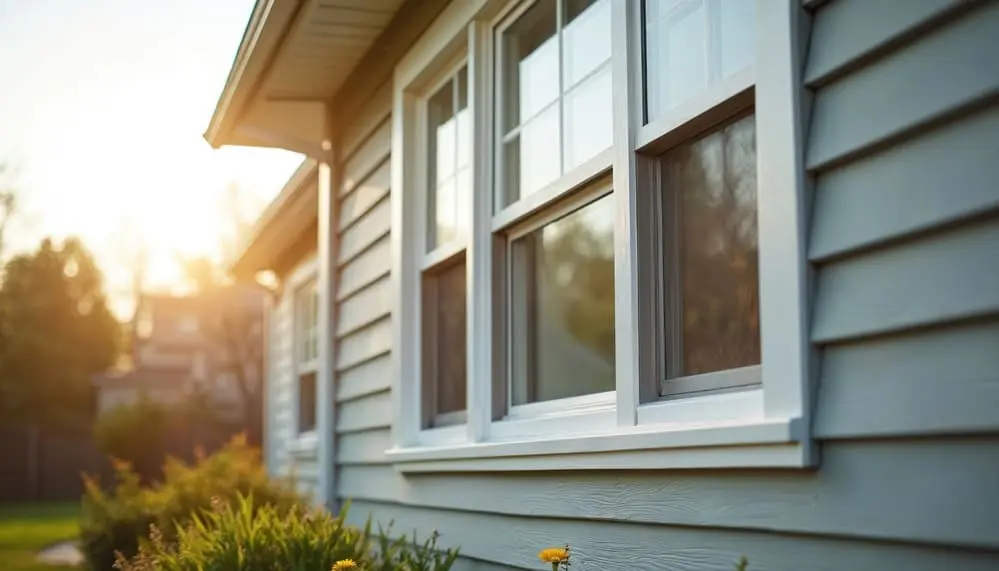
James Hardie fiber cement siding requires specific installation techniques including proper moisture barriers, correct fastening methods, and attention to expansion gaps that prevent premature failure. Sundra approaches Hardie siding installation following manufacturer specifications exactly, ensuring warranty compliance and long-term performance. Our team understands fiber cement's unique properties, it's heavier than vinyl, requires different cutting methods, and demands proper flashing and sealing to prevent moisture intrusion. We focus on installation quality that protects your investment and delivers the durability James Hardie products are designed to provide across PA, NJ, and DE climate conditions.
- James Hardie Installation
- Proper Moisture Management Systems
- Manufacturer Warranty Compliance
- Fire & Weather Resistance
- Long-Term Durability Focus
Trusted by Homeowners across Pennsylvania, New Jersey and Delaware
- SRS Building Products
- Google 5.0 rating
- GAF Certified Plus
- QCells Authorized
- SEIA Member
- Enphase Gold Partner
Get your numbers before you decide anything
You get your options in writing. No pressure either way.
- Free quote
- Written scope
- No obligation
Our Hardie Siding Installation Process
Exterior Assessment & Product Selection
We evaluate your home's existing siding condition, insulation performance, moisture concerns, and architectural style to determine which James Hardie products and profiles best suit your needs. This assessment identifies any structural repairs needed before installation.
Material Selection & Installation Planning
You receive clear guidance on James Hardie product options including HardiePlank, HardiePanel, or HardieShingle profiles, color choices, and trim details. We explain the installation timeline, moisture barrier requirements, and what to expect during the installation process.
Hardie Siding Installation
Crews install to James Hardie's specified methods: weather barriers, correct fastening, expansion gaps, and flashing integration. That is what warranty protection actually depends on.
Final Inspection & Warranty Documentation
We conduct thorough final walkthrough, provide James Hardie warranty documentation, deliver maintenance recommendations, and ensure you understand how to protect your fiber cement siding investment long-term.
Invest in Siding That Lasts Decades
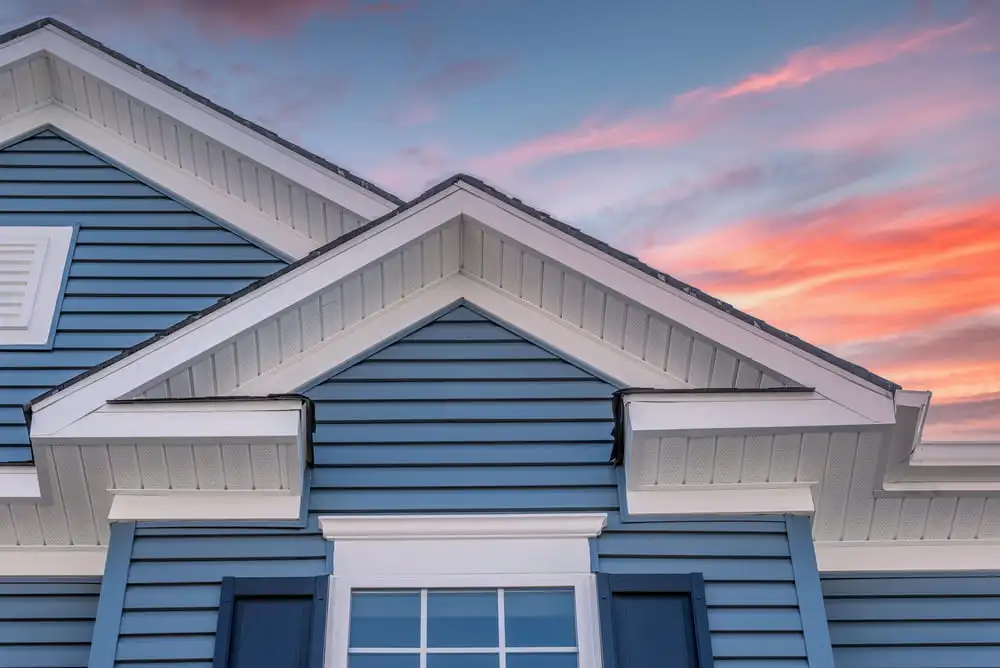
James Hardie fiber cement siding represents a significant investment in your home's protection, energy efficiency, and curb appeal. A consultation gets you an assessment of the exterior, a plain comparison between fiber cement and other materials, and realistic expectations on timeline and investment.
Whether you're replacing failing siding or upgrading for better performance, we help you make informed decisions about exterior materials that protect your home for 30-plus years.
The work, and the people who hired us

Hardie Siding FAQs
How much does it cost to put Hardie® siding on a 2000 sq ft house?
James Hardie siding investment for a 2,000 square foot home varies based on home design complexity, number of stories, trim details, and any structural repairs needed. Project scope also depends on siding style chosen and installation requirements. The best way to understand Hardie siding investment for your specific home is to schedule a Sundra consultation. We'll assess your property, discuss material options, and provide detailed pricing tailored to your home's requirements.
What is the downside of Hardie® siding?
James Hardie siding costs significantly more than vinyl, typically 2-3 times higher for materials and installation. Fiber cement is heavy, requiring experienced installers and sometimes structural reinforcement. It requires periodic painting (every 10-15 years) unlike vinyl which never needs painting. Installation takes longer than vinyl due to cutting requirements and weight. However, these downsides are offset by superior durability, fire resistance, and 30-50 year lifespan that often makes Hardie the better long-term value despite higher upfront investment.
Is Hardie® siding better than vinyl?
James Hardie fiber cement siding outperforms vinyl in durability, fire resistance, impact resistance, and lifespan. Hardie resists fire, doesn't melt or warp, and lasts 30-50 years versus vinyl's 20-30 years. It's more impact-resistant and better at resisting rot and insects. However, vinyl costs less upfront, never requires painting, and installs faster. The choice depends on budget priorities, long-term home plans, and whether superior durability justifies higher investment. For homes you plan to own long-term or in harsh climates, Hardie often makes more sense.
How often does Hardie® siding need to be painted?
James Hardie® siding with ColorPlus® Technology (factory-applied finish) typically requires repainting every 12-15 years depending on climate exposure and sun orientation. Field-painted Hardie® siding may need repainting every 8-12 years. Proper surface prep and quality paint extend intervals significantly. While this represents additional maintenance compared to vinyl, paint allows you to change colors and refresh appearance, unlike vinyl which fades and cannot be effectively painted.
How long does Hardie® siding last?
James Hardie fiber cement siding typically lasts 30-50 years with proper installation and maintenance. The material itself is extremely durable and can last 50-plus years. Practical lifespan depends on climate exposure, maintenance quality, and whether painting is kept current. This significantly exceeds vinyl siding (20-30 years) and wood siding (15-40 years with intensive maintenance). James Hardie offers 30-year non-prorated warranties on many products, backing these longevity claims.
Does Hardie® siding increase home value?
James Hardie® siding typically increases home value and improves resale appeal. Real estate studies show fiber cement siding recoups 70-80% of installation cost at resale, among the best ROI for exterior improvements. Hardie's premium reputation, fire resistance (important for insurance), and durability appeal to buyers. In competitive real estate markets, quality siding often differentiates listings and can justify higher asking prices compared to homes with vinyl or wood siding.
What is Hardie® siding made of?
James Hardie® siding is made of fiber cement, a composite material containing Portland cement, ground sand, cellulose fiber, and water. The cellulose fibers (wood pulp) provide flexibility and nail-holding ability while cement provides durability and fire resistance. This combination creates a product that's stronger than wood, won't rot like wood, resists fire unlike vinyl, and handles temperature extremes better than either alternative. The manufacturing process involves autoclaving under pressure, creating an exceptionally dense, durable building product.
What is the best time of year to install siding?
Late spring through early fall (May through October) offers optimal siding installation conditions in PA, NJ, and DE. Moderate temperatures ensure proper adhesive curing, paint performance, and comfortable working conditions. However, James Hardie® siding can be installed year-round with proper precautions. Winter installation requires temperature-appropriate caulks and sealants. Avoid installation during rain or extreme cold when moisture barriers and paint won't cure properly. We schedule based on weather windows and project readiness.
James Hardie® is a registered trademark of James Hardie Building Products Inc. Sundra is an independent contractor and is not affiliated with, endorsed by, sponsored by, or approved by James Hardie Building Products Inc. or any other manufacturer referenced on this website. References to specific brands, products, or manufacturers are made solely for informational and descriptive purposes.
Let's look at your property
Tell us about your property and the work you are considering. We can discuss the scope, the information needed and the next step toward a written estimate.
801 Bridgeboro Rd, Edgewater Park, NJ 08010
- 1Tell us about the property and the work you are considering.
- 2We discuss the details and any assessment needed to define the scope.
- 3Review the proposed scope and pricing before deciding how to proceed.
Get a free estimate
Share your property and contact details so we can discuss the next step.