Commercial Solar for Businesses in PA, NJ & DE
Sundra plans and installs commercial solar for businesses and organizations across Pennsylvania, New Jersey and Delaware. We evaluate the property, review electricity use and explain the proposed system and financial assumptions before you decide.
Solar work that fits your property
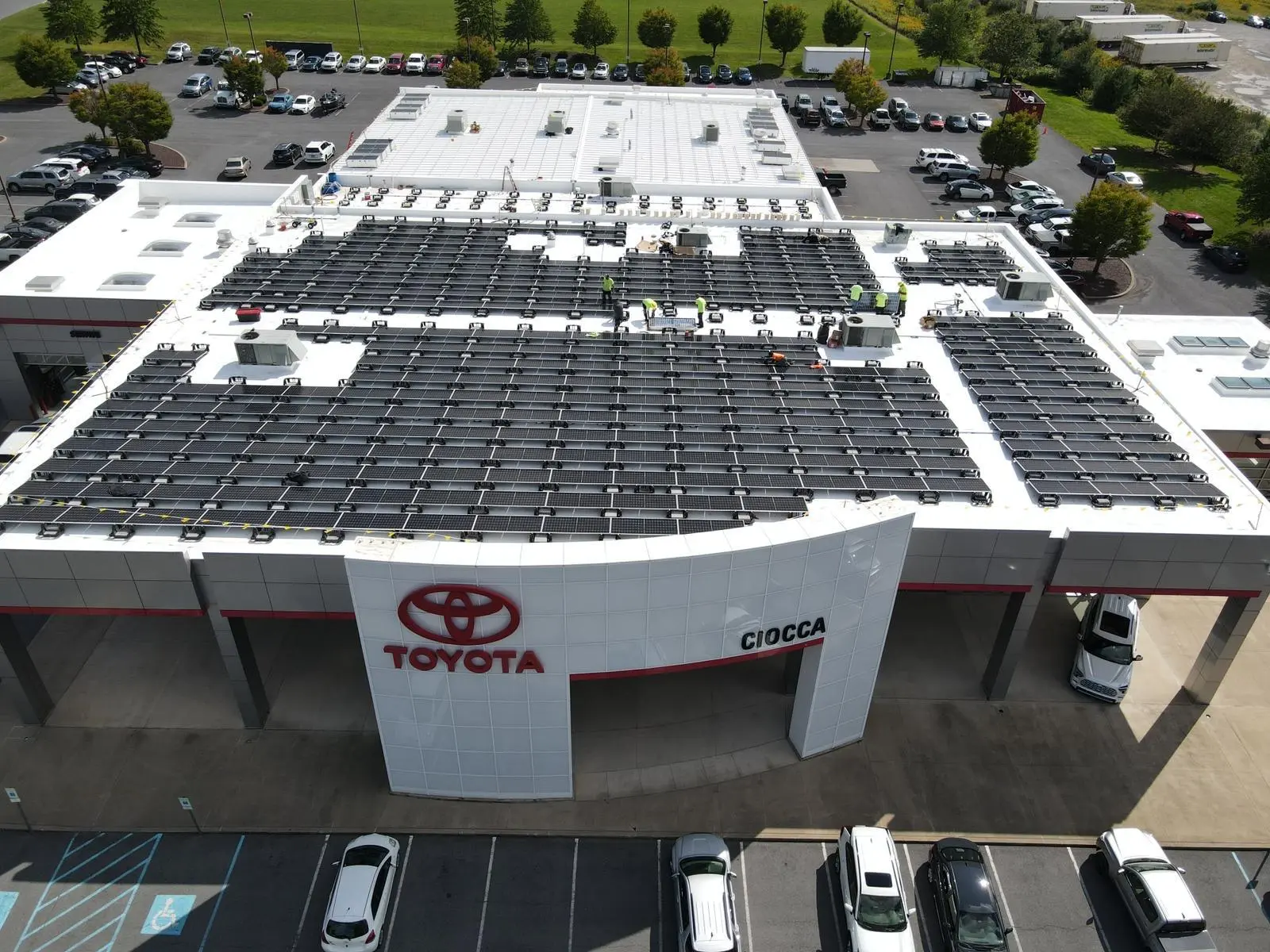
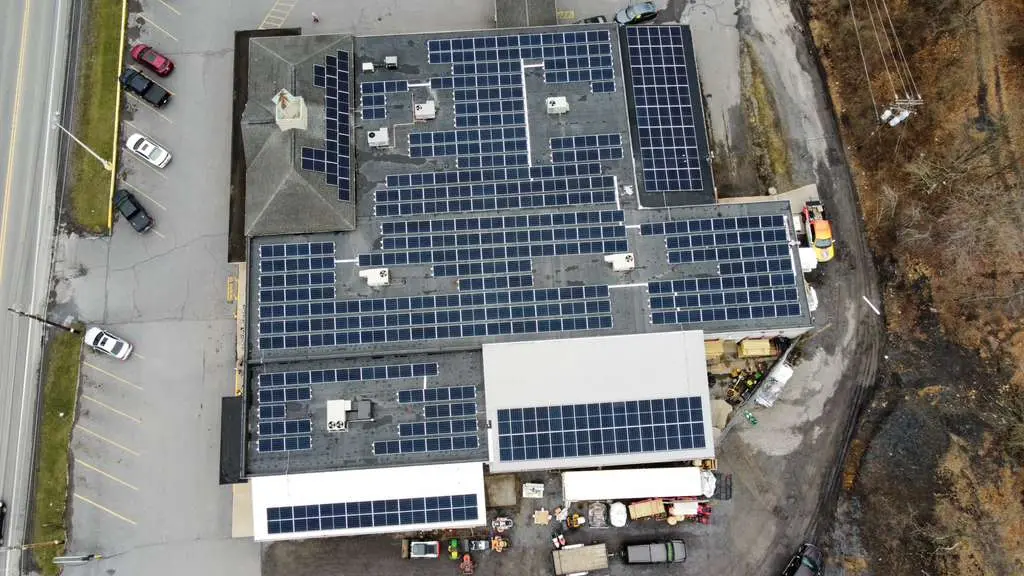
Is your property ready for commercial solar?
We review the building and its electricity use together, before proposing a system.
Roof and usable space
Condition, structural capacity, equipment access and any roofing work that belongs in the project.
Electricity and building use
Usage records, operating hours, electrical equipment and planned changes to the property.
Ownership and coordination
Who controls the roof, pays the electricity bill and will own the solar system.
Roofing work and property review details
A useful solar proposal starts with the building and the way it uses electricity. Available space alone does not establish whether a project fits. Roof condition, structural capacity, electrical equipment, utility requirements and your plans for the property all affect the design.
Start with the roof
Review the roof's condition, warranty and expected maintenance before adding an array. If roofing work is needed, compare doing it first with a coordinated solar and roofing project. An existing array also needs a plan for panel removal and reinstallation when work beneath it is required.
Match production to the business
Electricity bills and usage records help establish how much power the property uses and when. Occupancy, operating hours and planned equipment changes belong in that review. For leased or shared buildings, confirm who controls the roof, who pays the bill and who will own the system.
Solar configurations for commercial properties
The configuration follows the usable space, electrical needs and property constraints. These options have different planning requirements; they are not interchangeable packages.
- Rooftop solar
- Buildings with suitable roof space
- Review first: Roof condition, structural review, equipment access and mounting approach
- Ground-mounted arrays
- Properties with available land
- Review first: Land use, access, site conditions and connection to the building
- Solar carports and canopies
- Parking areas considered for overhead generation
- Review first: Vehicle clearance, circulation, structural design and construction access
- Solar with battery storage
- Projects evaluating stored energy alongside generation
- Review first: The loads to serve, electrical design and the intended use of stored energy
Roofing and solar decisions overlap at penetrations, drainage, access and future maintenance. Our commercial roofing services cover that part of the scope.
What goes into the financial model?
The proposed investment, estimated generation and assumptions behind the projected bill impact.
Your usage, utility rate, system design and ownership arrangement determine how those numbers fit together.
Request a solar proposalProject cost
Equipment and installation, with roofing, electrical work, engineering and permitting identified in the scope.
Estimated bill impact
Energy production and the electricity charges it may offset, shown as separate figures.
Incentives and financing
Eligibility and tax assumptions need review. Financing terms should be compared with projected cash flow.
Financial assumptions, incentives and electricity supply contracts
The financial model should show the proposed investment, estimated generation and assumptions behind the projected bill impact. A savings percentage or payback figure only becomes useful when it is tied to your usage, utility rate structure, system design and ownership arrangement.
Separate project cost from projected benefits
The estimate needs to identify solar equipment and installation, any roofing or electrical work, engineering and permitting, and the treatment of maintenance and future equipment replacement. The model should distinguish estimated energy production from the electricity charges that production may offset. See our commercial solar ROI guide for the questions to ask about those calculations.
Review incentives and financing separately
Do not assume an incentive applies until the project's eligibility and requirements have been checked. Review tax assumptions with your tax advisor and compare financing terms with the system's projected cash flow. Our guides cover MACRS depreciation and Section 48E, nonprofit solar and elective pay and commercial financing.
Comparing an electricity supply contract with solar
A supply contract changes the terms for purchased electricity. Solar adds generation at the property. Compare both using the same usage records, with contract terms and solar project costs shown separately. Neither comparison should rely on a headline savings figure alone.
From assessment to system activation
Sundra coordinates the proposed scope from property review through installation and closeout. Your project plan should identify the work, approvals and operating constraints before construction starts.
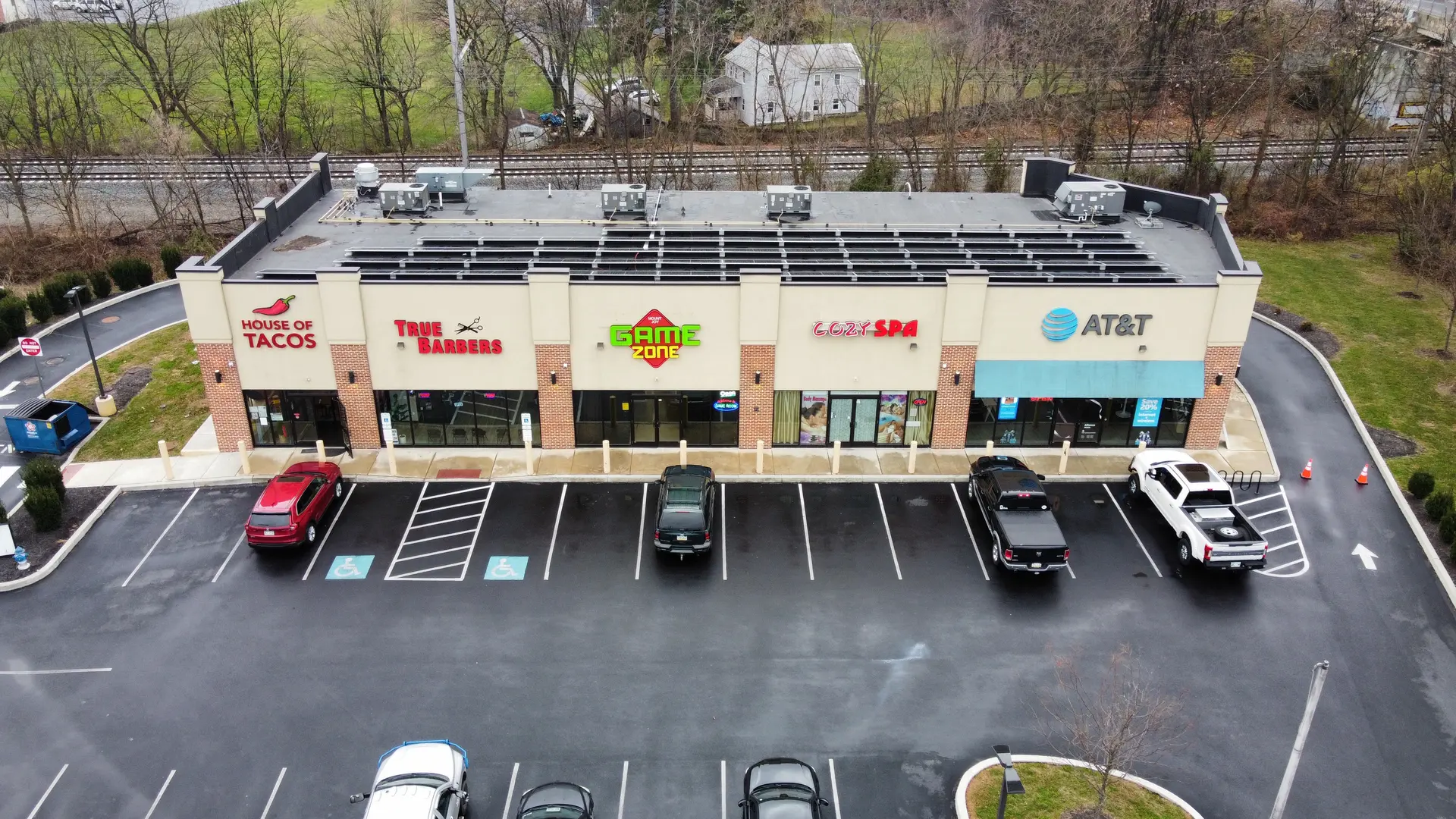
Property and energy review
We review electricity use, available space, roof condition and the electrical infrastructure. This establishes what needs further assessment and whether roofing work belongs in the project.
Design and written proposal
The proposal sets out the system, scope, cost and financial assumptions. Review exclusions, owner responsibilities and any unresolved utility or engineering requirements alongside the projected benefits.
Approvals and installation
Engineering, permitting and utility coordination affect the schedule. Before work begins, we discuss site access, staging, roof access and electrical interruptions with the people operating the building. The commercial solar installation guide explains the stages in more detail.
Activation and handover
System activation follows the required inspections and utility authorization. Handover includes the applicable equipment documentation, warranty information and monitoring setup, with a clear contact for questions about the work.
Commercial solar across PA, NJ and DE
Solar for commercial properties throughout all three states. Find services in your area.
These cities are part of our service area, not its limits.
Commercial Solar FAQs
What is considered commercial solar?
Commercial solar is a solar installation planned for the electricity needs and property conditions of a business or organization. It can serve offices, warehouses, retail facilities, nonprofit buildings and other commercial properties. System size and configuration depend on the site rather than a single commercial threshold.
Does my roof need replacement before solar?
Not necessarily. Roof condition, remaining service life, structural capacity and the mounting design need to be reviewed together. If work is needed, compare the roofing and solar scopes before installing equipment that may later need to be removed.
How much does commercial solar cost?
Cost depends on the system design, site access, mounting, electrical work, roof work and approval requirements. Request an estimate that identifies those items and separates the installation price from projected incentives and energy savings.
Is solar worth it for my business?
That depends on the property, electricity use, project cost and your investment goals. Compare the proposed system's assumptions with your current bills and planned building use. A proposal should explain the limits of the projection as well as its expected benefits.
Can nonprofits and municipal buildings request a proposal?
Yes. Ownership, procurement and financing requirements can differ from a taxable business. Our nonprofit solar guide explains issues to review with the organization's financial and tax advisors.
How long does installation take?
The schedule depends on design, engineering, permits, equipment, construction access and utility authorization. Discuss those stages in the proposal rather than treating the rooftop installation dates as the whole project.
What should I include in an enquiry?
Provide your contact details, property address and a short description of your goals. Mention any known roof issues or planned building changes. The enquiry form starts the conversation; we can discuss which usage records or other documents are needed next.
Request a commercial solar estimate
Tell us about the property and what you want to evaluate. We will discuss the information needed for an assessment and a written proposal.
You can also call 855-278-6372 or email the commercial team.