
Roof Repair vs. Roof Replacement: How to Know Which You Actually Need
Compare roof repair and replacement using damage extent, roof condition, scope and cost assumptions, without treating age alone as the deciding factor.
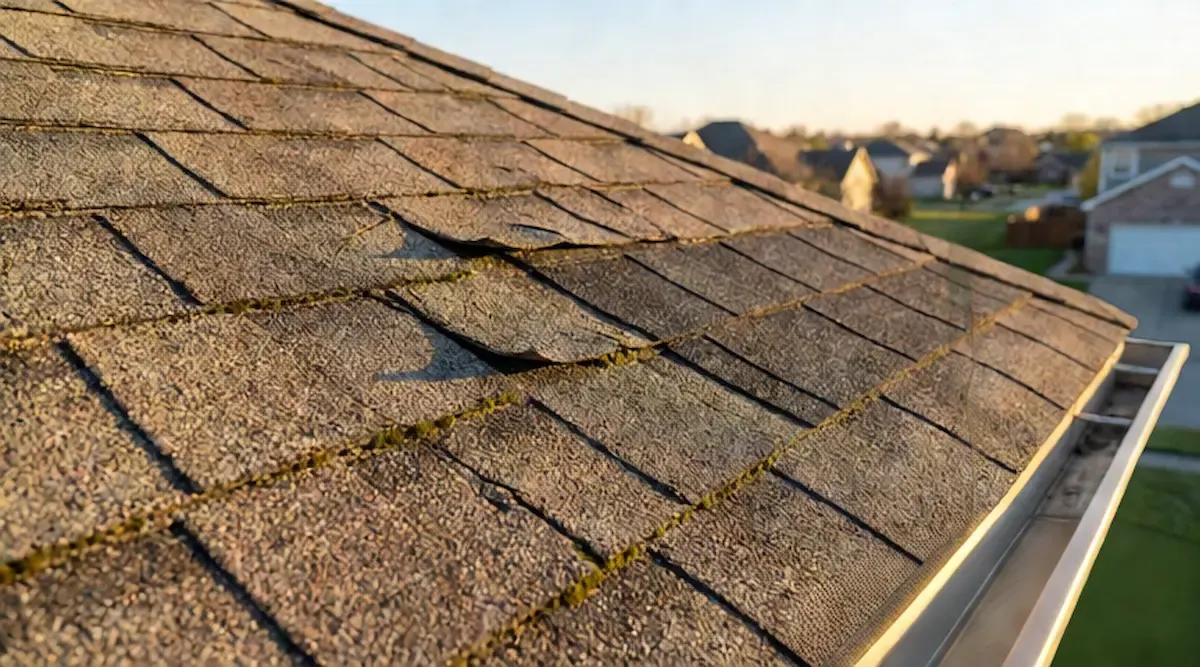
A roof repair can make sense when damage is localized and the surrounding system remains serviceable. Replacement deserves consideration when deterioration is widespread or the underlying assembly cannot support a durable repair. Age matters, but a leak or an old roof does not automatically mean full replacement.
The useful question is what each option addresses, what it leaves unresolved and how confident the assessment is. This guide focuses on pitched residential roofs. Sundra's roof repair assessments for homeowners connect the recommendation to the condition found, with repair and practical alternatives explained in writing.
In this article
When is roof repair the right call?
Repair is worth evaluating when the cause can be identified and corrected within a defined area. Examples include damaged flashing, a failed pipe boot or a limited area of storm damage.
The surrounding materials still need to be checked. A patch that seals one opening may not address deterioration beyond it, while a sound roof with an isolated failed detail may not need a larger project.
| Finding | What to establish before deciding |
|---|---|
| A leak near a penetration | Whether the flashing or seal is the source and nearby materials are sound |
| Missing or damaged shingles | How far damage extends and whether a compatible repair is practical |
| Damage after a storm | Whether it is isolated or affects other roof areas |
| A returning ceiling stain | Whether the original cause was found and corrected |
| Dampness without an obvious opening | Whether roof entry, condensation or another source is involved |
For active water entry, the roof leak repair overview explains why tracing the source comes before choosing a repair. Record visible conditions from safe locations; do not climb onto a wet or damaged roof.
When should roof replacement be considered?
Replacement should be evaluated when inspection findings point to a wider problem than a localized repair can address. That may include extensive deterioration, damage beneath the covering or repeated failures affecting different areas.
Ask the assessment to explain the extent of the problem. A recommendation should identify which parts of the roof are affected and why repairing those parts would or would not leave a serviceable system.
Age is useful context, not a pass/fail test. Two roofs installed in the same year may have different exposure, installation details and maintenance histories. Nor does a set number of leaks prove that replacement is required.
What should an inspection establish?
An inspection should connect the symptoms to the roof's condition and identify any uncertainty that could change the decision.
The source and extent of damage
Ask where water is entering, what evidence supports that finding and whether adjoining areas have been checked. Interior stains are useful clues, but they do not always sit directly below an opening.
The surrounding roof
A repair depends on the materials around it. The report should describe the condition of the adjacent covering and details, not only the damaged spot.
Conditions beneath the surface
Where accessible, the assessment may include signs of moisture or deterioration below the roof covering. Hidden conditions may require further investigation. A report should not claim certainty about areas that were not examined.
Contributing problems
Drainage, flashing transitions and ventilation can affect the scope. If the finding involves roof-edge drainage, establish whether gutter repairs are part of the remedy. Replacing shingles alone does not resolve every source of water entry.
How can you compare repair and replacement costs?
Compare written scopes first. A repair proposal should explain the defect being corrected and what is excluded. A replacement proposal should identify removal, materials, flashing, ventilation work and treatment of damage found underneath.
A simple budgeting exercise is to divide the proposed cost by the estimated additional useful years. Use it as a sensitivity check, not a diagnosis:
| Option | Inputs to compare | Important limitation |
|---|---|---|
| Repair | Repair cost, expected useful period and likely follow-up work | The estimate depends on the condition of the remaining roof |
| Replacement | Complete project cost, ongoing maintenance and expected useful period | A new roof still has maintenance and performance uncertainty |
Calculate more than one scenario if the remaining-life estimate is uncertain. If the decision changes dramatically with a small change in assumed life, ask for better evidence before treating the calculation as decisive.
This method leaves out financing costs, the time value of money and disruption. Those may matter to your household. It also does not justify postponing an unresolved active leak.
Can you replace only part of a roof?
Sometimes a limited scope is practical, but the roof layout, condition and material compatibility need to support it. Ask how the new work will join the existing roof, how drainage and flashing will be handled and what remains outside the scope.
Appearance is a separate consideration. New shingles may look different from weathered ones. A proposal should distinguish that cosmetic difference from the technical question of whether the repair or partial replacement can be properly integrated.
What changes after storm damage?
Document what can be seen safely and arrange an evaluation of the affected areas. Do not assume either that every storm requires replacement or that damage visible from the ground shows its full extent.
The storm-damage guide covers documentation and next steps. Coverage questions belong with the insurer and the actual policy; a roof assessment establishes condition and proposed work, not a guaranteed claim outcome.
How does planned solar affect the decision?
Adding solar introduces another reason to understand the roof's condition before work starts. Compare the likely roofing needs with the proposed array and ask how future access will be handled.
Planning roof and solar work together may avoid duplicating parts of the project, but it does not mean every solar installation requires a new roof. If panels are already present, include the scope of panel removal and reinstallation when comparing roofing options.
What should you ask before approving the work?
Ask for enough detail to understand both the recommendation and its limits.
- What finding makes repair or replacement appropriate?
- Which areas were inspected, and which remain uncertain?
- What is included in the price, and what could require additional approval?
- What happens at transitions between repaired and existing materials?
- What warranty applies to the proposed work, and what does it exclude?
- What condition should trigger a follow-up inspection?
A second assessment can be useful when the recommendation is expensive, the evidence is unclear or proposals disagree materially.
If you are weighing repair against replacement on a home in PA, NJ or DE, ask Sundra to assess the roofing work. Describe the symptoms and previous repairs, and have photos taken safely from the ground or inside the home available. Mention an existing solar array or plans to add one so roof work and access beneath the panels can be discussed together. Photos start the conversation; they do not replace an inspection where one is needed.
Roof Repair vs. Replacement FAQs
Does a roof leak always mean I need a new roof?
Does a roof leak always mean I need a new roof?
No. The NRCA notes that leaks can come from localized damage or loose flashing. The cause and the condition of the rest of the roof determine whether repair is appropriate.
Is it worth repairing a 20-year-old roof?
Is it worth repairing a 20-year-old roof?
It may be. Age alone does not establish remaining life. Consider the actual materials, condition, repair scope and evidence for continued use rather than applying a universal age cutoff.
Can you repair just part of a roof?
Can you repair just part of a roof?
Yes, where the damage is limited and a compatible repair can be integrated with the surrounding system. The scope should explain the boundaries and any remaining concerns.
Should I replace a roof before it leaks?
Should I replace a roof before it leaks?
Not automatically. A condition assessment can identify deterioration before water enters, but a serviceable roof does not need replacement merely because it has reached a generic age estimate.
What if two assessments recommend different things?
What if two assessments recommend different things?
Compare the findings and scope assumptions. Ask each assessment to identify the evidence supporting its recommendation, including any areas that could not be inspected. Different assumptions can explain different proposals.
Sources
- NRCA: Roofing resources, localized leaks, roof-condition factors, proposal contents and warranty distinctions.
Related reading
- Storm Damage to Your Roof: What to Do, What to Expect, and When to Call a Professional
- How Tariffs Are Affecting Roofing and Exterior Costs in 2026