
Vinyl vs. Fiber Cement vs. Engineered Wood: Siding Materials Compared
Vinyl vs fiber cement siding vs engineered wood: cost, durability, and maintenance compared for Northeast homes.
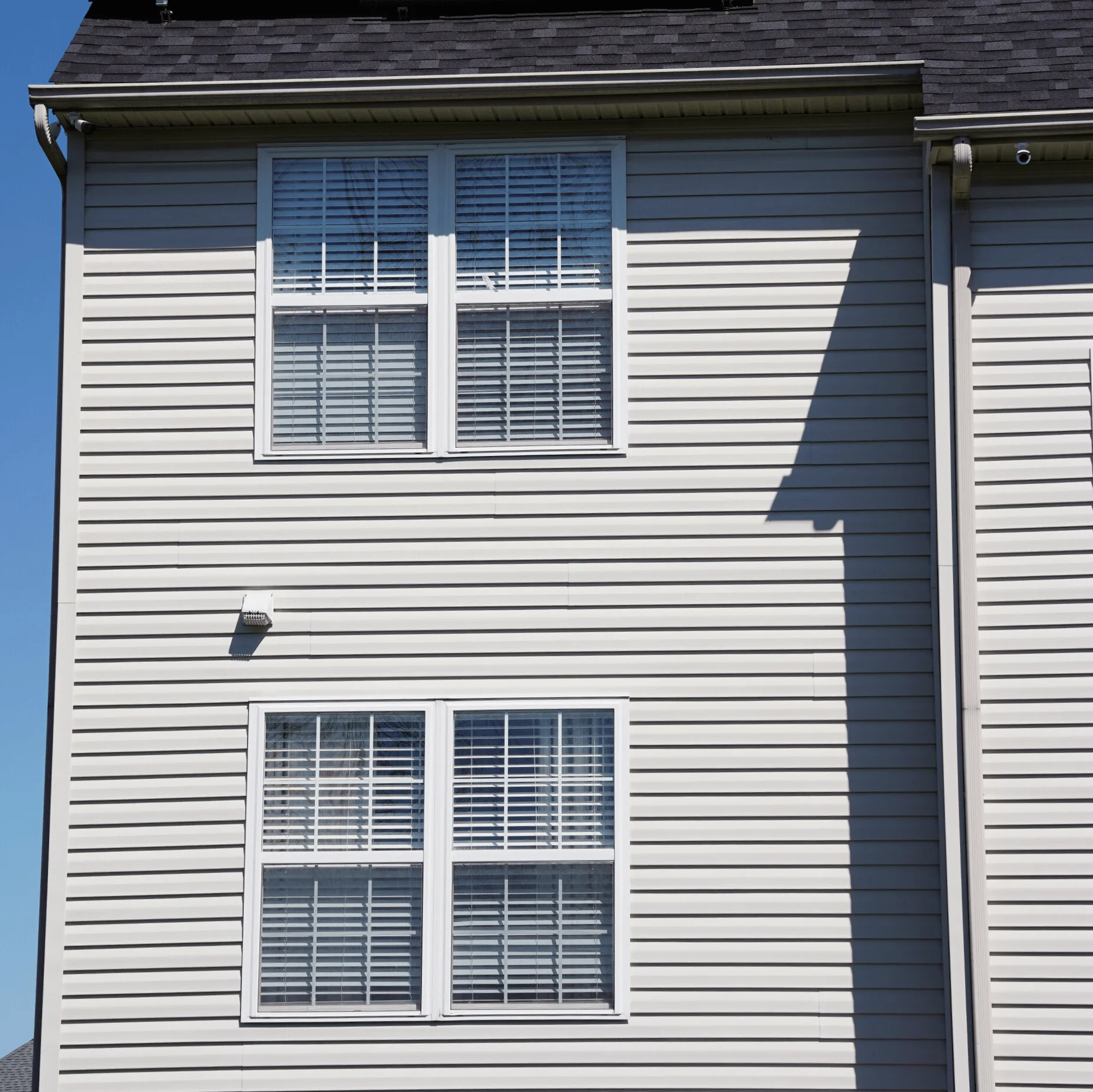
Vinyl, fiber cement and engineered wood can all be used for residential siding, but they ask different things of the installer and homeowner. The useful comparison covers the complete wall assembly, appearance, maintenance and project scope, rather than naming one material the winner in every situation.
Start by deciding what matters most to you: avoiding a repainting cycle, getting a particular profile or finish, managing the initial budget, or meeting a specific performance requirement. Then compare actual products, not just material categories. For homeowners in PA, NJ and DE, Sundra's siding installation and replacement connects material selection to the condition and details of the home's exterior.
In this article
How do the three materials differ?
| Material | Main distinction | What to examine before choosing |
|---|---|---|
| Vinyl | A polymer cladding available in different profiles and grades | Panel appearance, movement details, accessories and care instructions |
| Fiber cement | A cement-based product containing reinforcing cellulose fibers | Weight, handling, finish, climate specification and installation details |
| Engineered wood | A manufactured wood-based siding product with protective treatments and finishes | Edge and joint treatment, finish maintenance and product-specific clearances |
These descriptions do not establish a universal ranking for cost, impact resistance or lifespan. Different product lines have different specifications, and the finished wall depends on more than the face material.
What are the practical tradeoffs of vinyl siding?
Vinyl is worth comparing when avoiding routine repainting is an important priority. It still needs cleaning and inspection, and damaged panels or accessories may need repair.
Panel profiles, corner details and trim affect the finished appearance. Look at a sample beside the actual windows, roof and masonry rather than choosing from a small color image alone. Ask whether a proposed insulated product is included in the price; it is not the same specification as a standard panel.
Installation must allow for material movement. Fastening, overlaps and accessories should follow the product instructions. The Polymeric Exterior Products Association's installation guidance also explains why cleaning methods and heat exposure deserve attention.
A low-maintenance panel does not remove the need to inspect the surrounding wall. Do not treat siding as a substitute for properly detailed flashing and water management. For project-specific work, see what vinyl siding installation involves.
What are the practical tradeoffs of fiber cement?
Fiber cement is made with cement, sand, water and cellulose fibers. It is not a wood-free material simply because its performance differs from wood siding. James Hardie's product information explains the composition and care considerations.
Finish and maintenance should be part of the decision. Factory-finished and field-painted products are different choices. Ask what finish is specified, what care it needs and what the applicable finish warranty covers. A warranty period should not be turned into a guaranteed repainting interval.
Handling and installation also matter. Use the manufacturer's requirements for cutting, fastening, clearances and joint details, rather than assuming the practices used for another material transfer unchanged.
Choose the appropriate climate specification
James Hardie's Hardie Zone system distinguishes HZ5 products for freezing conditions from HZ10 products for warmer conditions. Confirm the appropriate specification for the project address and product.
“Fiber cement” alone is not a complete specification. The exact product, finish and installation instructions belong in the estimate. For project-specific work, see what Hardie siding installation involves.
What are the practical tradeoffs of engineered wood?
Engineered wood is a separate product category from fiber cement. Compare the proposed profile, finish and maintenance instructions rather than assuming every wood-based siding has the same requirements.
LP's SmartSide care guidance calls for periodic inspection, attention to damaged paint and failed sealant, and control of persistent water exposure. It advises against pressure washing its siding. Those are product-specific instructions, not a cleaning rule for every exterior material.
The finish, cut edges and joints deserve discussion before installation. Ask which surfaces are factory-finished, which require work on site, and who is responsible for completing that work.
Do not substitute a broad claim such as “more durable than everything else” for the performance you actually need. Impact resistance, fire behavior, moisture detailing and appearance are different attributes, with different evidence.
How should you compare costs?
Compare installed scopes, not just the price of a panel. Removal of old siding, access, wall repairs, trim, flashing, finish work and disposal can change the total substantially enough to make a material-only comparison misleading.
Ask each estimate to identify:
- The manufacturer, product line, profile and finish.
- Which elevations and trim components are included.
- Whether existing siding is removed and what happens to the material.
- How concealed wall damage will be priced.
- What finishing and cleanup are included.
The guide to tariffs and exterior costs explains why a supplier increase does not translate directly into the same percentage change in a completed project.
What does a siding warranty tell you?
A warranty describes a manufacturer's or installer's obligations under stated conditions. It does not tell you exactly when a wall will need repainting, repair or replacement.
Read the product and finish terms separately. Check coverage, exclusions, transfer provisions and the procedure for making a claim. Keep the product details and installation paperwork so the installed materials can be identified later.
For planning, consider both maintenance and access. A finish that can be renewed may suit one owner; another may put more weight on avoiding repainting. Neither preference makes an entire material category universally better.
How does siding connect to the rest of the exterior?
Pay attention to roof-to-wall transitions, windows, doors, penetrations and the base of the wall. These details are part of the installation, not decorative extras.
If roofing work is also planned, discuss the order of work before either scope is finalized. Where gutters and downspouts attach or discharge near the wall, account for removal, reinstallation and drainage. Coordinating scopes can avoid conflicting details, but it should not be assumed to produce a guaranteed saving.
A clear siding installation scope should identify who is responsible for these interfaces so they are not left between separate trades.
When you request a siding estimate from Sundra, include the property address, the appearance you want and any known moisture or trim problems. Have photos and preferred product examples ready, and mention planned roofing or gutter work. Ask which materials are available for the proposed scope and how the flashing, trim and concealed repairs will be handled. A material comparison can guide that conversation without committing you to a particular product.
Siding materials FAQs
Which siding requires the least maintenance?
Which siding requires the least maintenance?
Vinyl can avoid a routine repainting cycle, but no wall exterior is inspection-free. Compare the actual manufacturer's cleaning and maintenance requirements for the products under consideration.
Is fiber cement better than engineered wood?
Is fiber cement better than engineered wood?
It depends on the requirement. Compare product-specific performance, appearance, maintenance and installation details. A single “best durability” label hides those differences.
How long will each material last?
How long will each material last?
A general material label is not enough to predict a lifespan. Product specification, installation, exposure and maintenance matter. Use warranty terms as contractual information, not a service-life promise.
Can different materials be used on one house?
Can different materials be used on one house?
A design can combine materials, but the transitions need appropriate detailing. Confirm compatible installation requirements and responsibility for flashing, trim and finishes before work begins.
Sources
- James Hardie: Frequently Asked Questions, fiber cement composition and product care.
- James Hardie: Hardie Zone System, distinction between HZ5 and HZ10 climate specifications.
- LP Building Solutions: SmartSide Care and Maintenance, product-specific inspection, cleaning and finish maintenance.
- Polymeric Exterior Products Association: Installation Manual Notes, vinyl siding installation and cleaning considerations.
Related reading
- How Tariffs Are Affecting Roofing and Exterior Costs in 2026
- Storm Damage to Your Roof: What to Do, What to Expect, and When to Call a Professional